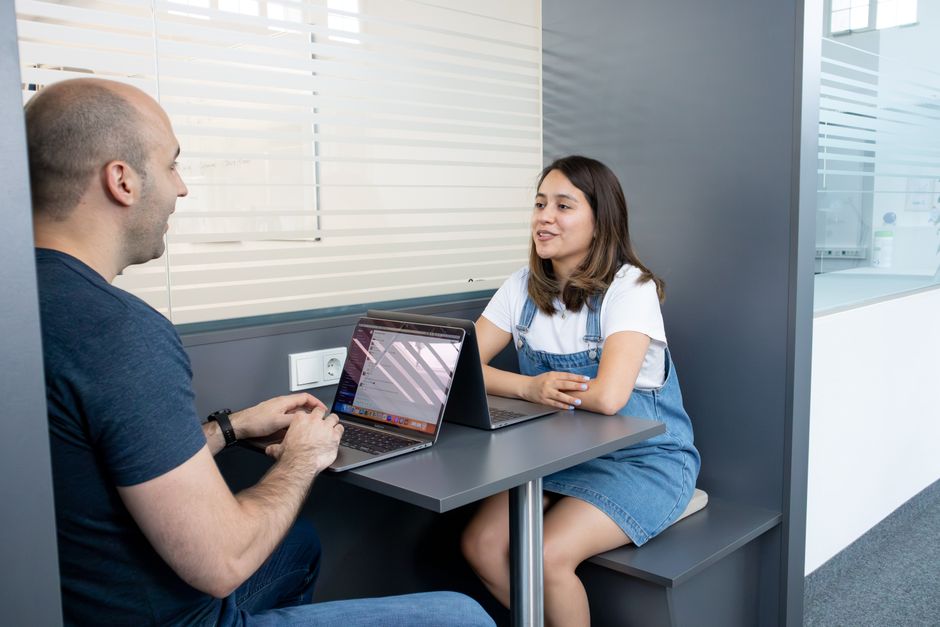
Ask HN: Anyone missing the human aspect of pre AI?
as evidenced by the recent discussion on Ask HN: Anyone missing the human aspect of pre AI?.

as evidenced by the recent discussion on Ask HN: Anyone missing the human aspect of pre AI?. This query resonates with many, highlighting a sense of nostalgia for a time when human interaction was more prevalent in the workplace. The rise of AI has undoubtedly transformed the way we work, but it has also led to concerns about the erosion of human connection. As we navigate this new landscape, it's essential to examine the data and understand the implications of this shift.
The conversation on Ask HN is just one example of a broader trend, where individuals are expressing a desire for more human-centric work environments. This sentiment is not unique to the tech industry, as people from various professions are seeking meaningful connections and a sense of community in their work. The question is, what's driving this desire, and how can we address it in a world where AI is increasingly prevalent?
What the data shows
According to the Indeed Hiring Lab, the job market is undergoing significant changes, with a growing emphasis on skills that are complementary to AI. The data suggests that while AI is augmenting certain tasks, it's also creating new opportunities for human connection and collaboration. For instance, the Indeed Hiring Lab reports that jobs requiring skills like communication, empathy, and problem-solving are on the rise. This trend is consistent with the idea that as AI takes over routine and repetitive tasks, humans will focus on higher-value work that requires creativity, intuition, and emotional intelligence.
A recent post on arXiv, with a signal score of 4.77, highlights the importance of human-centered design in the development of AI systems. The article emphasizes the need for more nuanced and multidisciplinary approaches to AI, ones that prioritize human values and well-being. This research underscores the significance of considering the human aspect in AI development, ensuring that these systems are designed to augment and support human capabilities, rather than replace them.
What this means for work readers
The shift towards AI-driven work environments has significant implications for individuals and organizations. As AI assumes more routine and administrative tasks, workers will need to develop skills that are complementary to AI, such as critical thinking, creativity, and emotional intelligence. This requires a fundamental transformation in the way we approach work, with a greater emphasis on human connection, collaboration, and lifelong learning. By acknowledging the importance of human skills, we can create work environments that are more resilient, adaptable, and fulfilling.
Furthermore, the growing demand for human-centric skills presents an opportunity for workers to redefine their roles and pursue more meaningful and creative work. By leveraging their unique strengths and abilities, individuals can differentiate themselves in an AI-driven job market and create value in ways that are distinct from automated systems. This, in turn, can lead to greater job satisfaction, engagement, and overall well-being.
What to do right now
To thrive in an AI-driven work environment, it's essential to develop skills that are complementary to AI. This can involve pursuing training and education in areas like communication, empathy, and problem-solving. Additionally, individuals can focus on building strong relationships with colleagues, mentors, and industry peers, as these connections will become increasingly valuable in a world where AI is prevalent. By investing in human skills and connections, workers can future-proof their careers and create a foundation for long-term success.
Organizations can also play a critical role in supporting this transition by prioritizing human-centered design and development. This involves creating work environments that foster collaboration, creativity, and empathy, while also providing opportunities for workers to develop skills that are complementary to AI. By doing so, organizations can unlock the full potential of their workforce, drive innovation, and create a competitive advantage in an AI-driven market.
Bottom line
The shift towards AI-driven work environments is undeniable, but it's also an opportunity for growth, innovation, and human connection. By understanding the data and implications of this shift, we can create work environments that are more resilient, adaptable, and fulfilling. As we move forward, it's essential to prioritize human skills, connections, and values, ensuring that AI systems are designed to augment and support human capabilities, rather than replace them.
Ultimately, the future of work will depend on our ability to strike a balance between technology and human connection. By acknowledging the importance of human skills and relationships, we can create a world where AI enhances our work, rather than replacing it. As we navigate this new landscape, it's crucial to remain focused on the human aspect, ensuring that our work environments are designed to support the well-being, creativity, and fulfillment of all individuals involved.
Sources
Indeed Hiring Lab — Retrieved 2026-06-02 — see source for current figures — https://www.hiringlab.org/feed/
arXiv — Signal score: 4.77 (raw: 4.00) — https://news.ycombinator.com/item?id=48345371